Pathfinder
DCM Pathfinder

Our Philosophy

DCM Pathfinder exists to help students become thoughtful, capable, and well-formed students—under the Lordship of Christ, with technology in its proper place and parents and teachers at the center.

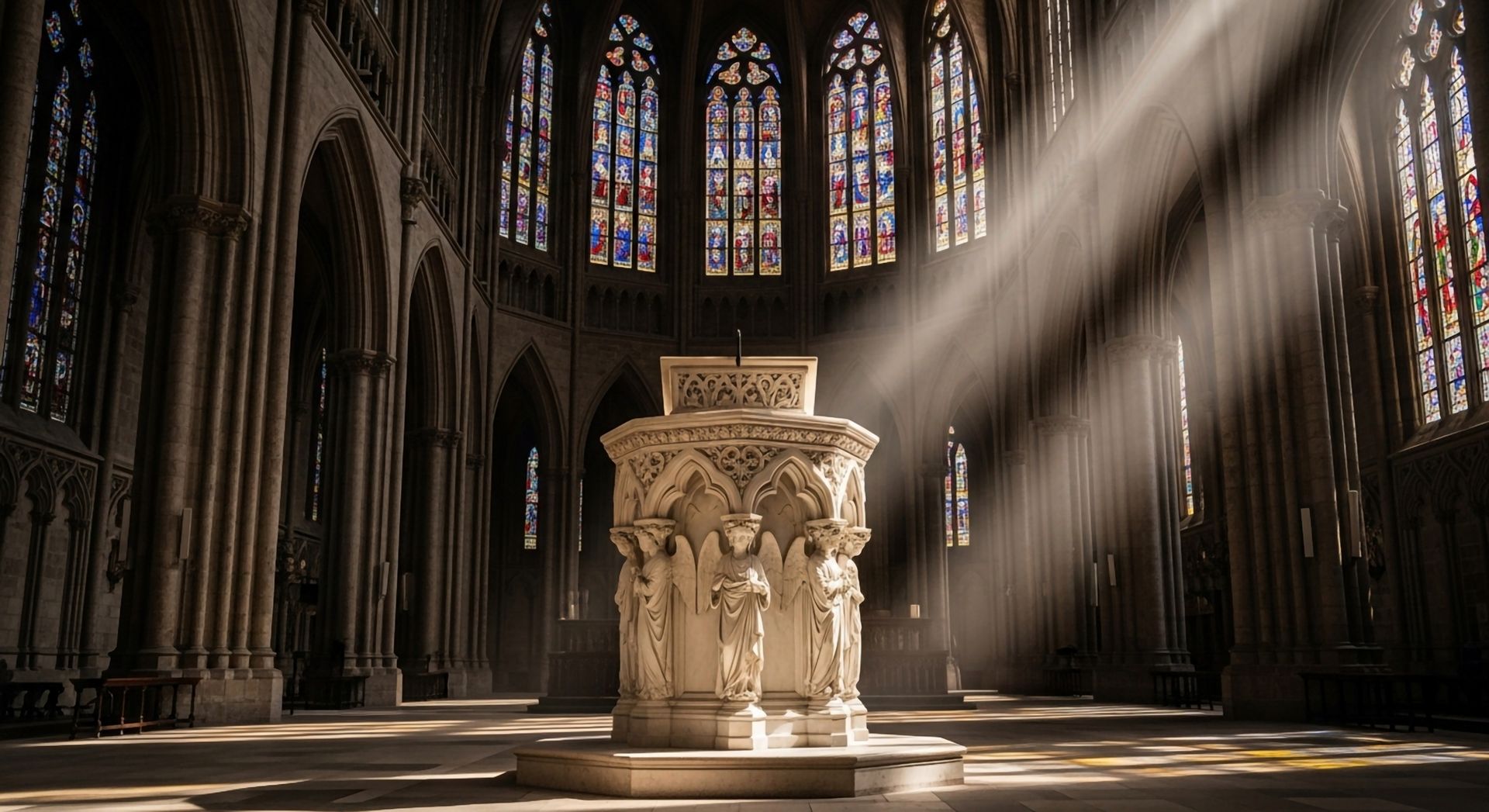
Sunlight streaming through stained-glass windows across a cathedral pulpit
Faith and learning belong together—light for the mind, reverence for the heart.

We believe education is more than the accumulation of information, the completion of assignments, or the pursuit of test scores. It is the gradual cultivation of a person—mind, character, imagination, habits, and affections—toward truth, goodness, beauty, wisdom, and faithful service.

Pathfinder is built on the conviction that every child is a person made in the image of God. Each student possesses inherent dignity, unique gifts, and a real capacity for growth. Education must recognize them as persons to be known, guided, challenged, and encouraged—not as data points or problems to be managed.

Our role is not to replace the parent, teacher, mentor, or living community of learning. DCM Pathfinder serves these relationships by giving families and educators clearer insight into student understanding, growth, strengths, and areas needing attention.

Children Are Born Persons

From Charlotte Mason we affirm that children need living ideas, meaningful books, careful observation, beautiful language, time to think, and opportunities to express what they know. We value narration as a profound act of learning—receiving, organizing, remembering, and communicating in the student's own words.

We cherish habit formation, attention, nature, beauty, and the atmosphere of the home or classroom. Pathfinder encourages steady progress and honest reflection without turning learning into a constant race for points, badges, or external rewards.

Truth Under the Lordship of Christ

From Classical Christian Education we affirm that all truth belongs to God and that education should help students see the coherence of reality under His lordship. Students should learn to know what is true, think carefully, communicate faithfully, and apply wisdom to life.

We value grammar, logic, and rhetoric—not merely as stages, but as essential capacities for human flourishing: a rich store of knowledge, sound reasoning, and clear, humble articulation of truth.

Mastery Is Growth, Not Perfection

Genuine learning appears in more than one way: accurate recall, careful reasoning, faithful attention to instructions, and clear narration. No single score captures the whole mind.

Pathfinder values multiple forms of evaluation because they reveal not only whether a student reached the right answer, but how the student approached the task, communicated understanding, and developed over time. Assessment should illuminate the path ahead—not merely pronounce judgment on the past.

A Tool, Not a Teacher

Technology is never a substitute for the human relationships at the heart of education. DCM Pathfinder uses technology to provide clarity, organization, and timely feedback—but the teacher, parent, and student remain central.

Artificial intelligence should serve human judgment, not replace it. Educators retain authority over interpretation, feedback, grading, and direction. We reject the idea that a student can be reduced to an algorithmic profile. Data may be useful, but data is never the whole child.

Students We Seek to Cultivate

  • Attentive rather than distracted
  • Curious rather than passive
  • Thoughtful rather than merely efficient
  • Articulate rather than dependent on shortcuts
  • Diligent rather than fearful of difficulty
  • Humble before truth and confident in their ability to grow
  • Prepared for faithful and fruitful living—not academic success alone

Rigorous Without Being Reductive

DCM Pathfinder will pursue educational technology that is rigorous without being reductive, personalized without being isolating, efficient without becoming mechanical, and innovative without abandoning the enduring wisdom of Christian education.

Our goal is not simply to help students perform better. Our goal is to help them become better students: more attentive, more capable, more articulate, more discerning, and more prepared to love what is true, good, and beautiful.